E62: Dr. Stuart Fischbein & Midwife Blyss Young
Beyond the Hospital vs. Homebirth Debate:
Exposing Exploitation in the Business of Childbirth
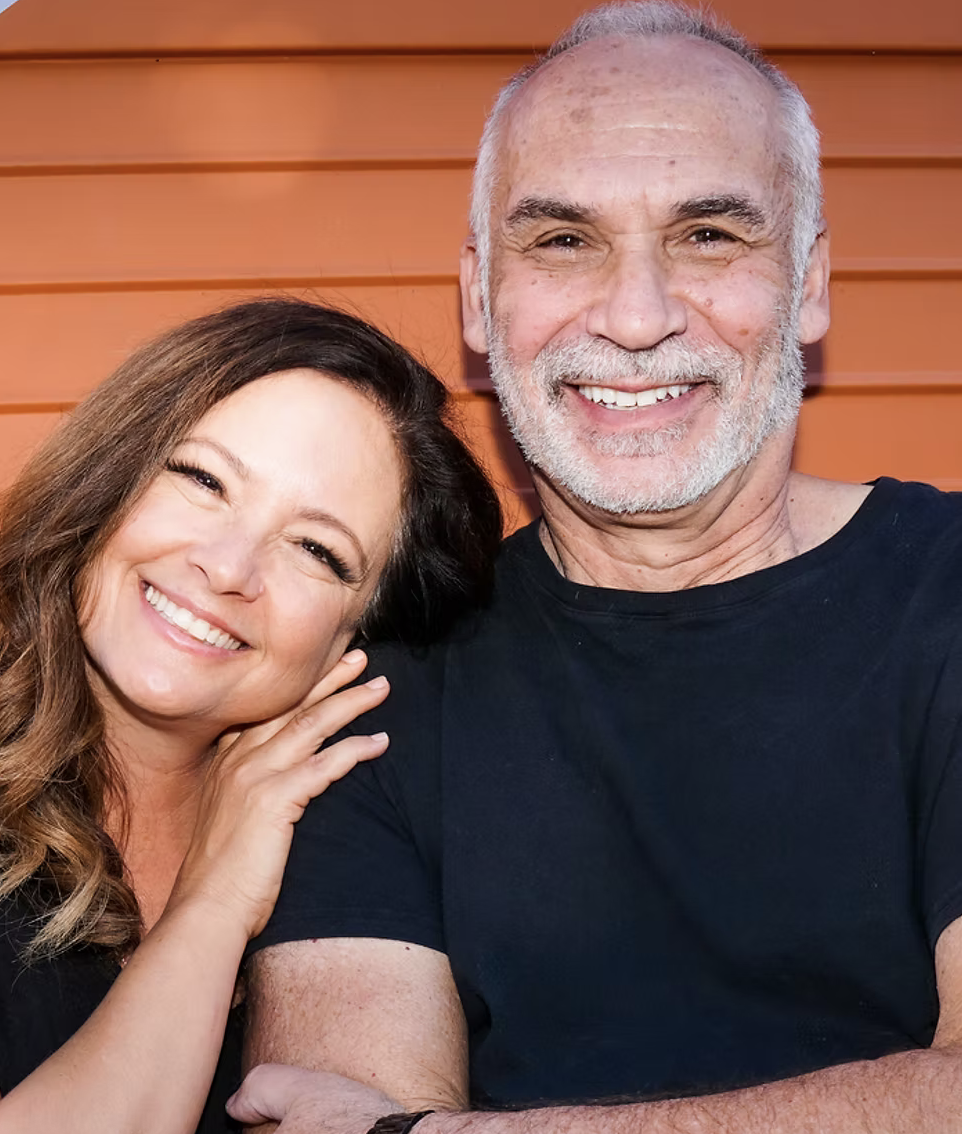
LISTEN TO THE INTERVIEW
WATCH THE INTERVIEW
RESOURCES
EPISODE SUMMARY
What if the most human moment of your life has been outsourced to a system that profits when you’re afraid? I sat down with obstetrician Dr. Stuart Fischbein and midwife Blyss Young to pull back the curtain on how birth moved from a normal, physiological process to a hospital-centered, intervention-first business—and what families can do to take their power back.
Dr. Stu traces the shift from independent practice to employed medicine and managed care, showing how coding, liability fears, and insurer rules shape the choices you’re offered. Blyss brings you inside the midwifery model: hour-long prenatal visits at home, real conversation, hands-on assessment, and a calm, protected labor environment where movement, food, and privacy help nature work. Together, we examine the “cascade of interventions,” why labels like high risk often reflect institutional anxiety more than evidence, and how outcomes improve when we honor physiology and reserve intervention for true need.
This conversation goes deeper than hospital vs. home. We talk microbiome seeding, delayed cord clamping, breastfeeding, bonding, and maternal mental health—measures of success that rarely appear in studies but define family life for years. We also cover cost and access: why medical sharing can fund midwifery care, how to audit your local hospital before you need it, and the practical questions that reveal whether a provider supports VBAC, vaginal breech, and informed choice.
If you want birth to feel safe, humane, and yours, this episode is your roadmap. Subscribe, share with someone expecting, and leave a review with one insight you’ll use to advocate for your next appointment. Your story can change how another family welcomes their child.
READ THE TRANSCRIPT
Christian Elliot
Hello everyone, welcome to episode number 62. I have another amazing conversation for you today. While the theme of today's discussion is about the very different worlds of the medical birthing industry and how it compares to midwifery and home birthing, I think this discussion will be validating for so many people because it will add context to some of the dehumanizing experiences most of us have had at the hospital or at a doctor's office in the last couple of decades or especially the last few years. So even if pregnancy isn't an immediately relevant topic to you, much of this conversation is likely to be relevant.
And the birthing industry is definitely overdue for an analytical deconstruction. And who better to do that with than a seasoned MD who has had his feet in both worlds and a midwife who has worked in two different states? You're about to meet two amazing people, Dr. Stuart Fischbein and midwife Blyss Young. Now, this episode is special for me because, as some of you know, I am a father of six kids. But what you may not know is that all six of them were born naturally without any medications or medical interventions, thanks to the help of a midwife and a doula. Actually,
I should correct that. I jokingly say, I was the midhusband for baby number five because my wife's labor was so fast, the midwife didn't make it on time. So free tip. If you ladies are in doubt as to whether or not your labor has started, call the midwife. Anyway, let me rewind to my wife's first pregnancy. We had recently moved across the country. We didn't have a doctor, so after my wife found out she was pregnant, she made an appointment at a local hospital to meet with a doctor. In hindsight, I want to thank that doctor for being as uh forthcoming about his opinion as he was.
When Nina told him she wanted to have a natural birth, he looked down his nose at her and said, Good luck with that. He handed her a package of prenatal vitamins with hydrogenated oils and food dyes and walked out of the room. Nina, not surprisingly, left the appointment in tears, and that doctor was promptly fired. And it was that experience that caused us to take a deeper look at the options of having a midwife.
So, anyway, our first child was born at a birthing center, which is basically a house where midwives work, and the other five were all born at home. And I can tell you it was a marvelous experience every time. That is why I am so delighted to finally cover this topic. Suffice it to say, I am a big fan of midwifery, and I love the work that my two guests are doing, and am delighted to amplify their message to help you take a peek at something you may not have thought about, and for the three of us to stretch your thinking in the process.
As I mentioned, this episode has themes that are much bigger than home births versus hospital births. The first half of our interview is really a microcosm of the bigger systemic problems in the modern medicine. And so after talking about their individual backstories, we dove into the history of how it became such that 98% of all children are now born in the hospital.
Obviously, that wasn't always the case. And there's so much history we did not have time to cover. So if you want a deeper dive into the history of the birthing industry, I encourage you to check out the documentary, The Business of Being Born. That was what sealed the deal for us to go the mid-wiffery route. Sadly, everything that movie lays out is basically no different today. And Dr. Fischbein does a great job of using his story to show how the corporatizing or centralizing of the medical industry has turned birthing into an interventionist, dehumanizing business model that it is today.
And in particular, we discussed the two main developments that slowly took patients' needs out of the equation and turned birthing, specifically in the medical system in general, into a volume-based profit-driven machine. That metamorphosis was largely through one, doctors becoming employees rather than being in private practice. And two, insurance companies becoming the middlemen that dictate what care patients can receive.
As Dr. Stu points out, both of those scenarios have set up the medical system to egregiously violate virtually every medical ethic in the book. And anytime you add a middleman to a service, you end up with worsening care, which is where we are today. So one question I asked him that he didn't know the answer to was what percentage of doctors today are employed by hospitals or corporate groups? And I went and looked that up after the interview and found the answer is 77.6%.
So let that number sink in as you listen to this podcast. On the topic of insurance, two times Dr. Stu brought up the option of medical sharing versus traditional health insurance, which made me think, well, shoot, I ought to do an episode about that. So for context, my wife and I have used medical sharing for over a decade, and we find it to be so much better than health insurance.
It's way less expensive. The coverage tends to be better. It's transparent, meaning you get to see where the money goes. There's no runaround, and if you call, you get to talk to a real person. Relevant to this episode, medical sharing covers midwifery and any emergency situation that may come up. medical sharing is how we cover the cost of hiring a midwife for our last four pregnancies.
Doctors tend to like medical sharing because they get paid a fair rate in a timely manner, and best of all, they don't have anyone looking over their shoulder, meaning there's no insurance company telling them what they can and can't do. And as you hear Dr. Stu and Blyss talk about how accepting insurance ties their hands and how much of a corporate, wasteful, rigged fraud health insurance is today, medical sharing might be something you want to look into.
So that's a little fun bonus for this episode. I'll do a future podcast on that topic for you. But for now, I'll put a link in the show notes where you can see the medical sharing option we use for our family. And I don't know what you may be spending on insurance, but there's a good chance you might be able to save a lot of money. And on the website, you can literally get a quote in five seconds.
So medical sharing is just one more way that you can opt out of another broken centralized system and still be covered in case of anything catastrophic. So with that said, perhaps my favorite part of the episode was listening to Dr. Stu lay out the cascade of interventions that happen from the first pregnancy test all the way through the hospital experience, and how all of it is a fear-inducing journey that goes against nature's design for pregnancy and delivery.
And right after that, Blyss describes the, or she paints this picture of what it is like hiring a midwife to be your guide throughout pregnancy and delivery and after the birth. And everything just feels so different. You can really feel the energy shift while she's talking. Anyway, that's my assessment, but let me know what you think.
As you may have noticed from the timestamp of this episode, we talked for two hours, and I still had so many questions I wanted to ask them. But to wet your appetite and encourage you to check out their podcasts, a few topics I didn't get to are their thoughts on vaccines and the vitamin K shot, the dangers of tampons, their thoughts on fluoride, the uncomfortable connection between contraceptives and eugenics, the heel prick PKU test, what happens to the placenta and umbilical core blood after a baby is born, and what is the state of midwifery around the world.
If any of that intrigues you, go check out their sites and their show, and I'll uh see if about getting them back on for another interview. Uh, one of the topics that did come up toward the end of the conversation was about how different our culture might look, how much calmer and healthier we might be if we stopped treating pregnancy and birthing as a medical condition.
So as you hear them contrast the way nature handles birth, you can start to feel the grave disservice we do both to women and their offspring by medicalizing and medicating something we have all lived through, and that is being born. As you'll hear, Dr. Stu is full of great sound bites. And one that stuck out to me from an interview he did was he said, when we live in a world with a fear of what could go wrong, we never get to live in a world where you ask, what if it goes right? End quote.
As you all know by now, we live in a world where fear is intentionally stoked by people who want to sell us something, be that an idea, a product, a service, or simply make us afraid so we'll play small and never challenge anything. Well, that doesn't fly here. So welcome to another fearless conversation to help you see through the matrix, to help you understand history and have more clarity about your healthcare options. The more you know how your body works, the less fear you will have.
Ladies, you are more capable than you know. Do not underestimate your body's ability to have a natural childbirth if that's what you want. And couples, if you are having trouble conceiving, that is a situation my wife and I have helped a lot of people overcome. So check out our coaching programs if that's of interest. Okay, without further ado, here is my conversation with the deeply likable Dr. Stuart Fischbein and midwife Blyss Young.
Okay, hello everyone. Welcome to today's show. I have not one but two amazing guests. So, first time having two, I'm kind of excited about that. So, my first guest is Dr. Stuart Fischbein. He is a renowned obstetrician, gynecologist with over 40 years of experience. He is dedicated to supporting natural childbirth and advocating for women's autonomy and birth choices. He has co-authored Fearless Pregnancy and published peer-reviewed studies on home birth outcomes.
Through his practice at birthing instincts, Dr. Fischbein specializes in out-of-hospital births, including those involving twins and breach presentations. He empowers families to make informed decisions that align with their personal needs and preferences. And currently he teaches vaginal breach delivery internationally and co-hosts the Birthing Instincts podcast with midwife Blyss Young. And that podcast is where clinical experience and evidence-based discussions intersect. So, speaking of Blyss Young, she is a midwife, teacher, and mentor. Her work is shaped by decades in midwifery, deep clinical experience, and profound personal loss.
Blyss has several years of experience supporting physiological birth, mentoring birth workers, and walking with women through grief. Blyss brings depth, presence, and a deep-rooted passion for sovereignty to her work. And she is the founder of Bridge Midwives, which is a project aimed at providing the bridge between midwives of the past and the next generation of those stepping into the field today. So she currently works serving her community in Ashland, Oregon, as a traditional midwife. So, Dr. Sue and Blyss, thank you so much for taking the time to join me today. It is a delight to have you on the show.
Blyss Young
Oh, great. Thank you for having us. We're excited. We don't often, um, besides our own podcasts, we don't often do other podcasts together. So it's always fun for us when we get to do that. So great.
Christian Elliot
Well, I'm I'm excited to have a woman in the room, other than otherwise, there's two guys talking about uh pregnancy and delivery. It's probably good to have a female presence on this one. So thank you for being here, Blyss.
Blyss Young
You're welcome.
Christian Elliot
Cool. All right, well, we'll go first with you. So, ladies first here. So give us your backstory, Blyss. How did you get into midwifery and and what led you to starting Bridge Midwives?
Blyss Young
Well, I um I similar to you, we were talking a little bit before you hit record. You know, when I got pregnant, I just looked at my insurance card and went to the Obi that was covered under my insurance. But I had witnessed my sister delivering with midwives many years before that. And so halfway through my pregnancy, I kind of looked around and was like, wait a minute, how come nobody offered me a midwife?
What's going on? And I started to do some research myself and looked into the history of midwifery and realized why Epistemic had become the primary model that we were all um utilizing. And I chose something different. So I worked with midwives for all three of my pregnancies. I had different experiences each time the first time I was transported to a hospital. So I did get to have that experience of what it felt like to be separated from my baby and have an epidermal and an episiotomy and all of the things that that brought. Um, but I was lucky to be able to deliver my next two children at home. Um, and it transformed me so deeply as a woman and as a mother.
And just the contrast and care between the epistetrical model and the midwifery model, I became really impassioned about supporting midwifery. So I opened a birth center in Los Angeles, and that was open for um almost 10 years. That's where Dr. Fischbein and I started um collaborating together at that birth center. He was offering twins and breaches, which is illegal in California for midwives to be able to attend. Um, and so thank goodness I got to meet him, and we've been working together in some capacity ever since.
And um, I just really, you know, my path kept meandering, but I really eventually ended up in the birthroom myself. And the first time I ever caught a baby, it was like, the gods were shining down on me, and I knew that this was absolutely the place that I was supposed to be.
So um I've advocated for midwives for decades, but I've been a midwife for about 10 years and recently left California for the laws that I was just mentioning, so that I could practice freely here in Oregon, and they still have the opportunity to practice traditionally, which means that I am only beholden to my clients, not to the state, in terms of how I support them. And I that was something that was really important to me.
Christian Elliot
So fantastic. Well, thanks for the introduction, and I look forward to your comments throughout the show. So um, Dr. Stu, then give us your backstory. So obviously, you were trained in the medical model. So maybe tell us about your experience in medical school or working in the hospital setting, and then how you just became such a big proponent of midwifery.
Dr. Stuart Fischbein
Yeah, well, I've always had an intellectual curiosity and a and a kind of a contrariness. I was always that little kid that would always ask why, why, why, why. And eventually my mom would get so fed up she'd say things like, because I said so.
And that never sit well with me. And then I didn't realize in my training that that's what was being done to me, was I was never really allowed to ask why. I was just, you do it because you're the second year and that's what you do. You're up all night and you do these sorts of things. But in medical school, uh, people may not know this. Um, and I think medical school hasn't changed, it's changed a lot in philosophy and and other things, but it hasn't changed a lot in how they do things.
The first two years are generally clinical, excuse me, generally um uh classroom uh with laboratory, and the second two years are clinical where you go off and you do rotations in different specialties. Some are required, like surgery and OBGYN and pediatrics and internal medicine, and some are elective, like dermatology and radiology and neuro uh neurology or ear, nose, and throat or something like that.
Um I was in my third year of medical school. I was doing a rotation in OBGYN, and I was, as Blyss said, I was uh sort of said, I was up at four in the morning, and instead of dealing with somebody having a seizure or somebody dying or somebody needing a transfusion, I found myself catching a baby. Now I use that term lightly because in those days it really wasn't waiting for the baby to come.
You were very interventionist. Everybody was in stirrups, everybody had their uh uh back, everybody was dressed in a full hazmat suit, everybody got an episiotomy. And in fact, in those days it was a medial lateral episiotomy for your listeners. That's like brutal. Um the uh babies got their cords cut immediately. Babies were not not given to the mothers in those days. They were sent over to the warmer. Uh it was rather stupid, but what did I didn't know anything? All I knew that I was up at four in the morning seeing this miraculous thing just happen.
And I was I was also sort of hooked, um, but for a different reason. I was hooked by the medicalized part of it, but the miracle as well. So I did my training um in Southern California and had the good fortune of my residency um being affiliated with LA County USC Women's Hospital, which was at that time the busiest hospital in the United States, doing about 22,000 bursts a year. If you break that down, that's 65 babies a day.
Christian Elliot
Wow.
Dr. Stuart Fischbein
I was there for four months every other day. You can do the math. We saw a lot of bursts. And in those days, we're talking about the early 1980s, um breach and twin deliveries, among many other things, were just considered variations of normal. And as a matter of fact, because we saw them two, three, four times a day anyway, every day. Uh, so we didn't think of them as something to be um feared.
Uh matter of fact, we used to fight over who would get to go take care of the lady in room six and and get to do the breach delivery because that's where you actually felt like you were doing something. Um, because in those days, again, all breaches were hands-on instead of waiting for and moms were on their back. That's just how things were done. We didn't innovate that until later in the next decade or two, three decades later.
Um, and so I came out of residency, and in those days, again, I think you mentioned this before we came on about the difference in practice styles. And in 1986, when I finished my residency, you didn't come out and get a job working for a large corporation, working a shift, being paid a salary, having a pension, and uh getting a paid vacation and stuff like that. You came out, you hung up what was called affectionately your shingle, and you built a practice by hustling.
You worked for other doctors, you covered them when they were on call, you covered free clinics, you worked in emergency rooms, and you've gradually slowly built your practice. And one of the things that fortuitously happened to me in my very first year of practice was I was approached, not sure exactly why they picked me, maybe because I seemed approachable, but they uh a couple of midwives in the local LA area approached me and asked if I would take their home birth transports. I had never really ever thought about home birth.
I had really not known much about midwifery except the CNMs that worked at County Hospital. So I didn't really know anything. I saw this as an opportunity to make money, purely and simply. Um, so I did. And that changed everything for me. Because slowly over the next few years, I began to see a whole nother way of doing things. I had time to hang with the midwives because I wasn't busy.
And um, they taught me all kinds of things that I never ever learned in medical school or residency. And they started to challenge me a little bit. You know, why are you west wearing a hazmat suit? Why are you taking the baby to the warmer? You know, why are you inducing this woman? Why did you section that woman? Why, you know, and and I'd have to stop and think for a second and go, because that's just how we do it.
Christian Elliot
Right.
Dr. Stuart Fischbein
That's that's like my mom saying, because I said so. It's not a good answer. It's a horrible answer. So then I started to think differently. And then um I began a collaborative practice with two certified nurse midwives. And for 15 years we did that.
Um, we had great numbers, great statistics, but we were never uh accepted in the community by the other doctors in the community, and even the labor and delivery nurses. They probably were uh a bit influenced by the other doctors to think that we were crazy because we were doing things that they didn't like.
And the anesthesiologists didn't like us because we weren't, our patients didn't want epidurals, and we were doing things that their buddies in the OB department said was dangerous, like breach delivery or twin vaginal delivery or VBACS, which is vaginal birth after cesarean.
Um, and eventually they decided that they didn't want us there anymore and they banned the midwives and they were not going to renew my privileges, and they banned vaginal birth after cesarean, they banned breach, not because it's better outcomes, not because of safety. They did it under the guise of safety, which is always used as a tool to influence us, but they did it because they just didn't like what we were doing, and it made them nervous.
And instead of them mod being innovative and saying, like, Stu, I'd like to learn from you what you're doing, no, no, they pushed us out. So I only had one choice, and that was really to fight them. Well, I had two choices. One to fight them, which was legally a stupid idea because they're big and I'm small, or to go into doing home birthing, which the midwives in the community had now I had known them for over 25 years, and they said, Stu, start doing home birth.
And I did, and chained and I I loved it. And for the next 12 years I did that. So after about 40 years of practicing, 28 in the hospital, 12 at in home, I finally got old enough that I didn't want to be on call anymore, and I've retired from active clinical practice. I now do the podcast with Blyss, and um I do consults online, and I also travel around the world teaching the reach and twin skills that are not taught by the conventional medical system anymore.
Christian Elliot
What a story. Yeah, that's such a breadth of two worlds that couldn't continue to coexist forever.
Dr. Stuart Fischbein
And it sounds like you had to pick and our practice was which was a collaboration between me and the midwives and the best outcomes.
Christian Elliot
I'm sure.
Dr. Stuart Fischbein
Yeah, we had a seven percent C-section rate when everyone else had about a 27% c-section rate.
Christian Elliot
Yeah.
Dr. Stuart Fischbein
And I took care of the problems, and the midwife took care of the normal stuff because midwives are experts in normal birthing, and doctors are not. Yeah, we expect doctors to take care of normal birthing, but they see everything as pathology.
Christian Elliot
Right.
Dr. Stuart Fischbein
Yeah, I mean, they almost all all pregnancies, and that's not necessary for about 80 to 90 percent of them.
Christian Elliot
Yeah. I was telling you before we start recording, my you know, I've got six kids, they were all born with the help of a midwife. And after kind of a very off-putting experience with a medical doctor, we went and talked to a midwife, and that what she said that made me go, duh, was she said, Birth is a physiological event, not a pathological event. Right? You're not sick with something.
You're ha you're experiencing a normal thing that women have done since the beginning of time. And I was like, Yeah, like thank you. I just I needed to hear that to give me the courage to go, Well let's let's bet on the body's ability to do this and our ability to to be healthy enough to see it through. And sure enough, it it is a very different model. So So anyway, any comments on that? Is that pretty normal that doctors just kind of tell you this is the way it has to be done and they don't they don't know anything? Is there is the profession pretty much completely ignorant of the midwifery model and how what normal looks like?
Blyss Young
Well, I think that if you just look at the definition of doctor, an obstetrician, it's a it's a doctor who specializes in pregnancy-related illness and surgery. Yet 98% of women are going to these people as experts in physiologic birth, and they they do not specialize in physiologic birth.
They know about when things go wrong, which is great. You know, and when we marry those two worlds, that's when families get the best outcomes. Um, so I would say most doctors are pretty ignorant in regards to what we actually do, especially community-based birth, because when you hear the word midwife, there's a lot of different types of midwives.
So um uh Dr. Fischbein said he worked with CNMs, which are certified nurse midwives. So they are they go through the medical model for their training. They're usually nurses first. So they um unfortunately, the history of midwifery, which was a lineage that was passed down from woman to woman, has really gotten usurped by the medical model as well. So you have to you have to really be discerning about what kind of midwife you are wanting and and how they practice.
But I would say, yes, most obstetricians have never seen a home birth, probably have most of the time have not seen a true physiologic birth, because it doesn't just mean that the baby is born through the vagina.
It means that birth is not augmented with medications, that there's not a bunch of other um uh medicines that are going through your system, because all of that, even just the fact of a woman leaving the house and entering the hospital with the bright lights and everybody talking to her and touching her and doing all those procedures, it's affecting the hormonal cocktail of when she feels safe and unwatched, which automatically starts to change the physiology.
And I'm not saying that's always a bad thing, but it's good for us to be aware that merely by turning on the lights and standing there with a room full of people watching a woman, it's gonna change how she births. So these are important things.
Dr. Stuart Fischbein
Yeah, doctor doctors see birth as pathophysiology and midwife see birth as normal physiology, which can occasionally go awry and they're willing to accept uncertainty. Doctors in their in their model, and I'm again, individual doctors are will do different things, but they're trapped sort of in a hamster wheel of even if they want to do different things, they might get beaten up by trying to do that, like I did.
Christian Elliot
Yeah. Right?
Dr. Stuart Fischbein
They they might, their partners may say, no, we can't do that, or their hospital may say, no, you can't do that, or their insurance company might say, no, you can't do that. And so even though they might want to do certain things, they can't. So doctors are trapped in this model of pregnancy as pathophysiology.
And I I well, there's so many examples, but let's just back up for a second and just talk about how a mammal gives birth. Everybody has scrolled through Instagram and seen an elephant give birth or a dog give birth or a whatever. And when a mammal goes into labor, where does she go? She goes off to a quiet place.
And who goes with her? Nobody. She goes off by herself. The husband doesn't go, the the male doesn't go with her, the other cows don't go with her, she goes off by herself. The other animals know to protect the space, but they know not to bother her. And if she's hungry, she does this miraculous thing when she's in the wild. She eats. And if she's thirsty, she drinks. And if she's uncomfortable, she moves. She gets up, she rolls, she stands, she paces, she rolls, lies down again.
She does all these things. And when she's ready to give birth, no one rushes in to help her. The baby falls into this non-sterile world, no one rushes in to cut the cord, and no one ever separates a baby mammal from its mother. You just don't do that. And when a mammal is challenged, like when there's a predator that approaches, or when little kids are running around the house while the dog is trying to find a place to give birth, the mammal will put out hormones, mainly adrenaline, but some other ones as well, which will cause labor to slow down or stop.
The mammal will get up and go and find a place that's quiet, safe, and unobserved again, so that she can go back and give place to the birth to the in the place that's safest for her, this way, most likely ensuring the best chance of survival. So everybody knows that if you have a dog in labor and the kids are running around the house, what do you tell the kids?
Christian Elliot
Stay away from the dog.
Dr. Stuart Fischbein
Yeah, leave the dog alone. Go outside, get out of here. All right. That's what you tell the kids. But in the hospital, we do the exact opposite. A woman's in labor, and what do we tell her to do? Come to the place that's the busiest place you can be, that's threatening, that where you have to sign documents, as Blyss said, has bright, bright lights, they're interrupting you all the time, they're putting machinery on that's going beep, um, all that stuff. And and then their labor slows down, and like they're shocked. It's like, no, that would be normal physiology.
Christian Elliot
Yeah.
Dr. Stuart Fischbein
So then they then they say, well, your labor slowed down, but you're kind of in labor. So now that you're here and you're almost at your due date, let's just break your bag of waters. Or let's just start an IV and maybe start some pitocin anyway. And that gets done the whole famous cascade of intervention simply because you got you went to the hospital way too early with a birth that didn't need to be there.
But our culture has indoctrinated us to believe that birth is dangerous and fearful, and that is pushed on us by our doctors, and the doctors learned it in their training. And when fear is the greatest motivator of any any emotion you can possibly have, you can manipulate anybody with fear.
And to take something as beautiful as you when you saw Blyss’s face when she talked about her first birth that she saw. When you take something as beautiful as that and pathol pathologize it, um, what have we done? What have we done to our generations yet to uh that are now and yet to come? And people don't have to necessarily believe anything that I'm saying, but what all you have to do is look at outcomes.
And if you look at outcomes over the last 50, 70, 100 years, they've essentially, after the invention of antibiotics, basically, and and sterile surgical technique and clean water, um, they've only gotten worse.
Christian Elliot
Yeah, well, take a moment, because you guys are such good students of history, and uh we've all watched The Business of Being Born.
It's a great documentary about the birthing industry, but it it rewinds history and just plays it help helps people understand. How do we go from the reality that no one used to give birth in the hospital to today 98% of people do that? So give the listener a window into how we got here.
You can go back to Twilight Sleep or to Thalidomide or the other things that were done to women or done to pathologize this process and help people see how that model grew into what it is today.
Dr. Stuart Fischbein
Forever, babies were delivered by midwives, neighbors, well, grannies.
Blyss Young
They were delivered by the moms, but correct.
Dr. Stuart Fischbein
Yeah, and that's that's why we need a woman here. Babies were delivered by their moms, but they were assisted by the midwives, the the neighbors, the grannies, the local, you know, um medicine woman, whatever.
And that and that's what they did. And yes, there was mortality in those days, but it wasn't because of this of the style of care they were getting. It was because what little knowledge we had. And then for whatever reason, in the in the 1600s, 1700s, um medicine wasn't really a big thing back then.
As a matter of fact, it was very it was very primitive, you know, leeches and and um arsenic and other things that we gave people to try to cure them from their their ills in their head and stuff like that, the things that we did. But they began to form an industry, and they began to think that we want to control this industry. And so the the witch trials and the and the and Blyss, you know more about this than I do, but they began to persecute anybody who didn't follow their pattern.
Blyss Young
Yeah, and that had to had a lot to do with the um, at that point, way back then when we were talking about the witch trials, it had more to do with the churches than it did really about the medical industry.
I think the the medical industry really took over when uh industrial revolution started and everything started to get systemized. And it sounds like a good idea as the population grows to bring things more into the set cities and start to bring them into the hospitals. But um, midwives getting pushed out as the community healers and women who served one another, um, not only,
I mean, Dr. Stu was talking about it, it detaches you from the the sacredness and the beauty that is possible at these events, but also it really has um undermined women's autonomy and their power and their belief in their bodies. And um, if we look at what's happening, not only have C-sections and all of that increased considerably, which we could go into the health and downsides of what happens when a third to a, you know, to half of the population of the women are being C-sectioned and the downstream of health for her body and for the baby's body.
But what we're also seeing statistically now is that 50% of women are saying that they had some kind of trauma and are suffering from um mood disorders in postpartum. And we can track that back to things like Pitocin and things like really not having choice and having um surgery and all of the things that happened during such a sacred time. And midwives have always known how to support women in this. And so it's very unfortunate that the powers that be really came in and dominated this industry and pushed the women aside.
Um, and we're hoping to start to turn those tides again because if you look out in our culture, our children are have 50% of them have chronic diseases. And then the statistics I was just talking about, the maternal side, um it's it's a it's a serious issue. This is not this is not a little issue that women are being induced and and cut open for their babies to be welcomed into the world.
This is changing the landscape of how human beings are in their mental health and in their physical health. From birth.
Dr. Stuart Fischbein
So how did so how did so how did we get there? Um in the early part of the 20th century, um John D. Rockefeller, who's apparently chairman and CEO of Standard Oil, uh petroleum company, most pharmaceutical products are petroleum-based, hired a guy named Flexner to write a report that essentially, and people can look that up, and it's very that's very interesting history.
And when when you look back at it now, you can see how how crazy it was to do this. But at the time, this is scientific. You've got a a report coming out saying that hospital birth is better and that it vilified uh traditional practitioners like chiropractors and naturopaths and midwives and that sort of thing.
And they took over the medical schools and they made them pharmaceutical-based. And and they did that not out of the goodness of their heart. They did it because they created a whole country that was dependent on pharmaceutical products, which was made by petroleum-based companies. And not for the betterment of our health, because everything since that time, as Blyss just described, has pretty much gotten worse. So it isn't about outcomes for these people.
It's a and it and it's not about intent either. It's about profit and and it's very sinister what they did. And so they pushed out the midwives. They uh they took over, and you went from 1920, where 90% of people gave birth at home, to by 1950, 90% of people gave birth in the hospital.
In a 30-year window, in one generation, we took birth out of the home, and um we vilified midwives. And then the organizational medicine, the American College of OBG WAN was founded in 1951. And from there, they they then took over controlling the training of everybody and began to to try to lord over midwives as well, um, not recognizing that midwifery is not even a profession that's close to obstetrics in anything, other than we both take care of women.
But they think that it was a lesser subset of the profession of obstetrics and therefore needed to control it. And so they, and again, they didn't do it because they wanted better outcomes for their mothers, because all they'd have to look at is say, our bet our outcomes are getting worse.
We're not doing good, but they don't ever do that. And and Blyss said something about, you know, studies, they don't look at how how did those children do at age two or age 10? How did that mother do in her subsequent pregnancy? How did she breastfeed? How did she bond? How would how was her mental state after birth? No research paper that comes out ever looks at those things. All they look at is neonatal morbidity and neonatal mortality, which is my traditional trademark comment, which is all that matters to the medical model is a live baby in the bassinet.
And how the baby gets in the bassinet and what happens to that baby, that mom, and that mom's future babies is not the concern of the medical system. Anyone can say that that's very cute, Dr. Fischbein. Tell me that it's not true. Right. Because no paper looks downstream at how the outcomes, how did uh women who were treated in a hospital with cesarean section, you know, it used to be 5% 55 years ago, and now it's 35%.
And in some countries it's 60, 70, 80 percent of women, and we're changing the epigenetics, we're changing the future of our species by interfering in nature's design. There's always consequences when you intervene. And the and the key should be not whether the intervention um is something innovative or good or though.
The question is, is the intervention safe and does it actually do good? They never ask this follow-up question. They never ask when they bring in something like continuous fetal monitoring, the belts that people wear in labor and delivery, this is gonna save us from cerebral palsy and intrapartum death. Well, did they maybe study that first to see if it actually does that? Because it doesn't.
Christian Elliot
Right.
Dr. Stuart Fischbein
All it's done is increase the serine section rate and the rate of interventions and the fear that permeates the profession and the women of our country. And what is that fear inside of them doing to the developing fetus?
Christian Elliot
Yeah.
Dr. Stuart Fischbein
No one thinks about that. It doesn't matter. You can't bill for that, you can't quantify it, so they don't study it.
Christian Elliot
No, well, and people have listened to my show, all the way back to episode two, you know, what the one of the first things I took on was the Rockefeller model and the Flexner report, and how this is what we're living through is basically, for lack of a better word, monopolistic creep.
It's just the slow takeover of an industry or of multiple industries for that matter, and centralizing the efforts under one standard of care. So I've heard, Dr. Fischbein, you've talked a lot about the two things that really stuck out to me listening to your so many of your different shows. You talked about how going from a self-employed doctor to employed completely changed healthcare and the the um how insurance got in the middle of this, and and basically doctors now answer to their employers and to insurance companies, and patients are kind of like third at best.
So, talk about those two trends with within this, what we can safely call monopolistic model of healthcare. How did employment and insurance change midwifery or change birthing in in particular?
Dr. Stuart Fischbein
Well, the hippocampus oath is sort of a uh an oath to the fiduciary duty to do no harm and take care of the person you're supposed to take care of. Um, when you are a solo practitioner, you can do that because you're not conflicted.
You could be greedy, you could do things that were, I mean, you can you can create your own problems because human humans are flawed, but ultimately you could be you could do what your patient wanted. We call them clients, but we'll we'll call them patients for the sake of the everybody else listening.
Christian Elliot
I prefer clients, actually. Go ahead. Okay.
Dr. Stuart Fischbein
You could do what your client wanted because you were the one that made the decisions. One of the worst things that happened in medicine, first of all, was what's called managed care.
Managed care was where the the doctors no longer controlled the patients. Hospitals used to be, you know, doctors were arrogant, sometimes they were assholes, but they were responsible for the lives that they took care of. But hospitals saw that as a bad business model because if a doctor has a large practice and we don't cater to that doctor, that doctor can take his practice over to our competitor. So what did the business model people say? Well, they said, you know what, we need to control the patients.
We need to control the lives. And so bandaged care came into place. It wasn't about making it safer and better for the outcomes or the or the, in our case, the women we cared for. It was about controlling the finances and once you control the you know, the purse strings. So they began to take over the patients, and then they would hire doctors through either indirectly, like you were uh a provider in a manual, you know, the book that they got, and they offered you we'll send you certain patients if you take this much money per patient.
And doctors, you know, said yes because we're idiots, and that was the beginning of the downfall. Because once you have 30 or 40 percent of your practice belonging to one healthcare company, they decide next year, okay, we were paying you a thousand dollars for that procedure.
Next year we're paying you 600. What are you gonna do? You're gonna say, no, that no way? Okay, well then you just lose 40% of your practice because they'll just take the patients and find somebody else to take care of them. So you've sold your autonomy for a glimmer of gold. And um doctors, again, are not businessmen. Doctors were not allowed to unionize. It's a violation of federal law.
Christian Elliot
Yeah, that goes back to the late 1800s, actually. Right.
Dr. Stuart Fischbein
So we couldn't, we couldn't, we couldn't negotiate as a group. As a matter of fact, it was illegal for us to ask the doctor down the hall, what's he charging for a hysterectomy? That would be that would be uh there was a clue, it's collusion or something like that.
There's a federal law against that. So we're not, but they could, but insurance companies could check out what other insurance companies are paying for a hysterectomy, and then they could, you know, underbid that or or equal that. They could do it, but we couldn't do it. It's very, very unfair. I mean, I uh that's a whole another topic. But doctors began to become sort of subservient to the system.
And then the system would say, well, you know what, we can't, we're not gonna we're not gonna uh um let you do breach deliveries. You can't do breach deliveries. We're not paying for that, we're not doing that. And then it got even worse because then doctors became employees. Because then once doctors were employees, they no longer now they have a conflicted fiduciary duty. Now the fiduciary duty isn't necessarily to the patient, it's to their employer.
And if your employer says that we don't let anyone go past 41 weeks, you then have to now skew your counseling to a woman who says, I just want to wait for labor, and we know it's perfectly safe to go past 41 weeks for most women, but you have to convince them that it's not. Yeah, and you have to tell them that breach delivery is dangerous because my hospital won't let me do it.
So I have to I have to be the one. The the guy sitting up in the boardroom would never come down and have to face the patient. They tell us to do that. And they had pay you a salary and they have you work a shift. And when you're on call, you work, you you don't know who you're taking care of. So now instead of you coming in as a doctor, knowing this woman, or midwife, who this whose model is even better, knowing this woman, you're coming in, you're working 12 hours, you're taking care of whoever comes into labor and delivery, they're all strangers to you.
You don't have a connection to a stranger the same way you have a connection to someone you've developed a relationship with. That's just human truth. And so you the work isn't as satisfying for the doctors, the the real the uh care isn't as satisfying for the women. Everybody loses except the people handling the money who win.
Christian Elliot
That's the model.
Dr. Stuart Fischbein
So that's it. One of the really bad things that happened was when doctors gave up their autonomy, um, whether it was voluntary or whether it was involuntary or whether they knew it was happening or not.
You know, doctors were looking to, you know, they have financial burdens, they had to, they had loans, they had debt, they had to run their office, they needed an income. This this was a guaranteed steady income to sign up with his HMO. So they're gonna sign up with his HMO, but now they have them by the proverbial, you know.
Christian Elliot
Yeah. What so what's the your estimate of how many doctors or what percentage of doctors are self-employed versus employed now?
Dr. Stuart Fischbein
Oh, I don't I don't have any idea. I know that uh the private practice model is was declining rapidly. Now, because people are there's a new wake up, a new, a new system becoming uh people are becoming more aware and people are leaving the insurance system.
And so we are seeing rejuvenation of things like health savings accounts and you know crowdfunding, where you know you have an insurance that that um you know bypasses the insurance company.
Blyss Young
insurance it's it's medical sharing yeah yeah medical sharing thank you yep uh and so people doctors and chiropractors and midwives and stuff are are becoming more independent again but i couldn't give you a number i just know that like in the in the turn of the century it was very very small few doctors coming out of residency ever went into private practice they all came out got a job working for somebody yeah and and what
happens on the on the care side is if you are receiving
uh a lot less for your service than than you probably should in order to get good quality care is that your care starts to get diminished and you have shorter visits and you have to pack in more people into your practice because you need to be able to make what you were making before the insurance you know negotiated whatever rate they did.
So it has profoundly affected what the woman or the family is receiving in terms of care. So if you if you do anything alternative where they're really giving you the attention and time that you deserve, they're most of those are not going to take insurance because I can't I can't give you an hour, hour and a half of my time for the$40 or something that they would I paid you through the insurance company.
I'd have to do several of those you know a day in order to just make ends meet. And so you have a doctor or a midwife that's also dissatisfied and feels overworked and the quality of the care that you're gonna get is going to be reflected in that. Someone who is able to charge their worth and is able to really spend time with you and develop a relationship with you and you you guys care about each other and trust each other.
That is a very different dynamic than someone who, you know, barely looks you in the eye is looking at their computer, has their hand on the door 10 minutes later and is like asking you if you have any questions while they're about to walk out the door. And that's what I think most people are interfacing with when they go in and have medical care.
Christian Elliot
Yeah. It's 10 minutes a half listening and a pill and then you you move on because I think uh Dr. Stu you talked about it being like a volume-based model. That's it's just you have to churn as quickly as possible to even pay the bills.
Dr. Stuart Fischbein
Is that yeah there there was a there was a study that was done it was it's probably 40, 50 years ago because I remember it from when I was in residency, um, where they took patients who had the had a cold and they had them see two doctors.
I don't know if you've heard this or no I may not have okay they had them see two doctors one doctor spent 20 win 20 minutes with them explaining to them like a cold is a virus and that you just need to rest, take vitamin C, have some chicken soup, do whatever you know you do for a cold and it'll get better in a couple of days you'll be fine. The other doctor saw them for two or three minutes, wrote them a prescription for an antibiotic and sent them out.
And then they surveyed the patients afterwards like who was the better doctor and the majority said the doctor who wrote them a prescription was the better doctor.
Christian Elliot
Really?
Dr. Stuart Fischbein
Because they're because the of the consumer based society that we have people don't want to be told it's gonna go away. They want you to fix it.
Christian Elliot
Yeah.
Dr. Stuart Fischbein
Why come to the appointment if you're not going to give me a prescription and so if doctors find out that I can give her a prescription that's not that's probably gonna create super bugs and who can who else because they don't need it it's not going to work but I can get them in and out of the office in two minutes and make the same amount of money as if I spent 20, then I'm just gonna start doing that. And that's what Blyss says you end up with a volume practice you can because you only paid a certain amount you can't charge what you need.
When I was it first came out in practice in 1986 if I charged$100 to something I got paid this miraculous amount of money. I got paid$100 for it. Within 10 years that was not not even 10 years less than 10 years I was now getting paid$80 and then$75 and then$60 and so on and so on.
And every year they would diminish what they paid and every year they would make it more billing more difficult. So then we have to hire a billing service which that cut into our our our our over or created more overhead cut into our revenue and so we'd have to do more volume or we would be tempted as many doctors are to cheat to upcode to charge for services they didn't actually provide and I can tell you that if any person listening if you ever you go to the doctor
or you go to your hospital and later on you'll get something in the mail called an explanation of benefits an EOB and if you look at that EOB you won't you'll say they didn't do that.$87 for that three you know there's a guy on Instagram now he's become very popular who's going around explaining oh you charge $300 for the chair for my husband to sit in$900 to hold your baby skin on skin the hospital charges for the transferring baby from three feet to skin on skin is a billable thing in a hospital? Yeah there's a there's a code for it.
Is that crazy? Okay well let's and that's a whole nother that's a whole nother uh corrupt thing the the codes are developed solely in a monopoly owned by the American Medical Association. Yeah the American Medical Association has about only carry only has about 14% of physicians in the United States that are members yet they carry this weight when the pre the press quotes them as if they they represent doctors. They don't represent the practicing doctor almost all people that are in the AMA are in academic medicine, institutional medicine or medical students.
That's it residents um yet they have the monopoly for coding so they make 70-80% of their money and I'm these numbers I'm pulling out of the air but they make a lot of their money um selling software every year to upgrade your billing system. They don't even respond to their members anymore because they don't need to they're not they're not dependent on their members' dues for their survival they make money off it's it's so every year they change the coding just so they can sell you new software I I used to I did a podcast once where I talked about this and and they have a they have a code for getting bit by a parrot and then they have a subsequent code for getting bit by the the same parrot a second time or there's a modifier if it's you're bit by a different parrot. Wow what who syncs this stuff up somebody does but then but if you have a if you have software and you in order to bill now it's all electronic you can't just submit a I mean it's really hard to submit a paper bill.
So it's all electronic so everybody will then find as many codes as they can because more codes equals potentially more um verification that you did what was necessary and therefore better likely to get uh reimbursed for what you're asking. Whereas if you just put down that she came in for a 10 minute office visit um that you're gonna get this much but if you 10 minute office visit but you did these labs and you did a review of systems and you did uh took a history and you did all these other things which you didn't do there's no way you did all that or you did unnecessary stuff she came in because her toe was bothering her and you took her blood pressure and you charged her for taking her blood pressure why did you do that?
You do that why do you think when you go to the doctor the first thing they do is they do all these things to you they don't even know why you're there they make you pee in a cup why am I peeing in a cup I'm coming in because my toe hurts yeah yeah because they can send it to the they can run a lab on it they can build it they can build for it. This isn't true of everybody but you know if we think fraud is if we think fraud is rampant in healthcare and childcare and stuff that's going on in our country right now it's rampant beyond belief it's been that way for my entire career.
Christian Elliot
Sheesh yeah that's just it's a window into the world and how it works that I want to help people see. So they can do it to financially survive Christian that's how they they have to yeah every business needs to stay in business but when you're doing things that are shady and unethical to do it it's you need to take a hard look in the mirror and like that I so many of the doctors I end up interviewing are ones who are kind of disgusted with their profession or they have left it and are their their conscience just wouldn't let them do it anymore. And to hear you lay out so clearly skin to skin contact is what you said$900 for like that is the most ridiculous thing I've heard yet.
Dr. Stuart Fischbein
A dollar would be too much I said a dollar would be too much. Right. Let alone$900 crazy the fact that they you know if the mom's holding her baby that's one less thing the nurse has to do the the hospital should give the mom a refund.
Christian Elliot
Right thank you for giving us a break from this process that we we put you through yeah man well if you can't if you've had the experience of going to the hospital feel dehumanizing and weird now you have a better window into why because that is it's kind of what the system has devolved into I guess in so many ways.
So you said something Dr. Sue on an interview that kind of hit me right between the eyes I hadn't put it into that punchy of a phrase but I had intuited it but I didn't hear it especially say it from a medical doctor you said an educated patient is the bane of the existence of the medical model. So tell people what you mean by that.
Dr. Stuart Fischbein
Well doctors have a have a very strong cognitive dissonance going on for them all right cognitive dis uh just cognitions are thoughts dissonance are thoughts that don't agree with each other they have to know that a woman can go past 40 weeks very safely they have to know that properly selected breach delivery delivered vaginally maybe they're not skilled but they know that there's an option out there to do that.
They have to know these things and yet they don't offer these things to women so if a woman comes in and says you telling me I should be induced because I'm over 35 at at 39 weeks could I see the evidence on that? Well there isn't any there isn't any and if there is it's it you know it's it's what we call level C evidence is basically an opinion piece put out a propaganda piece put out to support the arrive trial that sort of that kind of thing like the arrive trial but they they don't like being challenged partly again because as Blyss said earlier they don't have time.
Yeah they don't have time so if a and again they have egos a lot of doctors have egos and I will tell you that the reason that if doctors respond to you negatively when you ask a question it's not because they're a bad person. It's mostly because they're probably unhappy because happy people don't treat people poorly happy people don't roll your eyes when you make a suggestion. Happy people don't scoff at you happy people don't use coercion upon you. They don't do those things yet this goes rampant in our hospital based system. So um yeah doctors are are are not liking when somebody challenges them and that's again we're we're speaking in general terms I always have to give the caveat that there are your doctor may be an exception and your system may be an exception but but in the general rule that we're talking about and the thing that's led us to a path where we are sicker than we've ever been before and our outcomes are worse and they're only getting worse you know induction rates are up uh 300% c-section rates are up six, seven hundred percent um and the NICU admissions have doubled postpartum hemorrhage has doubled um use of epidural has gone from 20% in 1980 to now 80% of first time moms have an epidural with no concern about what that's doing long term.
All these things are being done we're not getting better outcomes and for a doctor to realize that he's been doing something for 20 years and maybe doing a lot of unnecessary interventions of episiotomy c-sections forceps or vacuums and then to realize he's been doing it wrong that's a very hard thing to suddenly say to come clean and say shit. I've been I've been I've been brutalizing people incorrectly so the answer to that is the is to use techniques of cognitive dissonance which is to dismiss people like listen me and say all those crazy people that do home birth they're just crazy.
Well that's really easy to say that but look at our data.
Christian Elliot
Look at our outcomes compared to your outcomes yeah man that's yeah you've put to words just in articulating that that I so for years I've I've tried to help clients have cordial you know deferential conversations with their doctor about a medication or about an option they're presenting and like well here's the package insert here's what's in that or here's some of the side effects you might ask about and so frequently they would just
get a wall they would get resistance they wouldn't get a doctor who was grateful to have somebody say you know what is what is the side effect of an antacid just last week I had a client ask me about she asked her doctor is that medication you're going to use to dilate my eyes is there any you know any risks or any side effects of that and the doctor's response was the only side effect is being annoyed that your eyes are still dilated after the exam is over and I was like I I can imagine there's something else so I just pulled up the package insert and said here's here's here's the risks they didn't mention and you can ask about that.
And the doctor was just annoyed that she got questioned on something as simple but now it's it's making more sense and you're like yeah because they're employed they're on a time crunch and they have to just it's harder to swallow that like you said crap I'm participating in something that if I was being honest with myself would be unethical. So that yeah helps make sense of my experience and probably a lot of other people as well.
Blyss Young
Yeah and let me just tell you something else too oh go ahead it's also ego you know it's not a it's not a um an equal relationship they definitely see themselves as higher than and so that when you start to question that what medical school did you go to right yeah what did you learn that on TikTok and you know there's just no respect that like I might have some value systems that may not align with Western medicine.
That's not the only way to care for yourself. There's lots of different ways around the world to care for yourself. And so we know we know from looking at history again that a lot of the medications that have come out, you know, there's there's massive downsides. I mean if you look at a prescription um pharmaceutical commercial on TV they go through this whole list of downsides that could happen, right? I mean we all we know this intellectually that if you take a medication there are going to be downsides. Sometimes it's worth it you know sometimes it's worth it to go through chemotherapy in order to get rid of the cancer.
And sometimes you might decide that you know you don't want to uh avoid pregnancy by being um depressed and lose your libido. That might not be something that's priority to you. So we deserve as the consumers and as the person that's living inside of this body to say I want to understand everything about what's happening. I want to understand physically what's going to happen, emotionally, you know, I want to understand the whole because the other thing about medicine is that we've we've compartmentalized everything and everybody has a specialty but that's not how your body works your body is an ecosystem just like if you were looking at a stream and they went in and put a dam there, it would change the whole ecology of everything around that your body is exactly the same way but that's not how modern medicine is looking at it.
And your how you feel emotionally and spiritually about a decision that you make with your body is as important as the side effects of the drug and I don't think that that's necessarily acknowledged inside of that. So it ego has a big part of it too I think yeah Dr.
Dr. Stuart Fischbein
Sue you're gonna say something yeah a couple things first of all um I want to I want to reiterate that the medical system is excellent in emergencies. Yeah want people to understand that it's really important. You know you come in with a gunshot wound or a ruptured appendix or you need a knee surgery um stuff like that they're excellent at that everything everything else they suck but no they're they're ex they're excellent with that so we don't we're not being critical of the of that part of the thing but pregnancy is not an emergency or an illness except in what's that or an illness or an illness except in rare occasions and then when it comes we're grateful that we have the specialists who can help us with that the the great innovations of of the doctors who do laser surgery for um twins with something called twin-twin transfusion syndrome saving babies' lives these
are amazing things that they can do but they get paid by by how much they do and what's really corrupt and what's and things that have come out in the last couple of years because people have looking into it um we know that pediatricians get paid bonuses not all but many practices get paid bonuses the more patients they have that are on the vaccine schedule I know somebody personally whose next year's salary this is an OB whose next year's salary was based on what he billed this year. Think of the corruption there.
So the more tests he ordered the more it was going to improve his salary next year. That is a violation of every ethical tenant there's that you could possibly have yet it was policy in that institution because that institution puts profit over outcome. You've got hedge funds and equity right now that we we we've seen it in food we've seen it in um in every major industry when things get too big the individual gets lost yeah we've seen it all over and over and over again. So we shouldn't be surprised that in something that we used to trust we used to trust our doctor doctors have blown it and they really started blowing it big time in 2020 2021.
Christian Elliot
Let me that's a side footnote do you think that COVID would have been possible the way it played out kind of that top down centralized everybody saying from the same song sheet approach to that had medicine not been that centralized if most doctors were self-employed would that have even been able to go the way it did?
Dr. Stuart Fischbein
It's a great question and I I would think that there would be a much more resistance to it. Yeah. Yeah yeah that's because yeah doctors as employees had no say yeah exactly I mean they did they do have a say they could say listen I can't do this I'm I'm quitting and many of my friends in uh in the nursing industry and stuff like that did that. Yeah I know NICD nurses and and labor and nurses and even some physicians either quit or were were fired for for saying or doing the right thing.
You know offer offering offering patients ivermectin or um hydroxychloroquine prescriptions and being told that if you do write that again you're going to be fired. We need them to be hospitalized we need them to put them on remdesivir we need them to get on dialysis we need them to die so we can get our$40,000 bonus from the US government for a for a diagnosis of COVID. Yeah now my interview my next interview is about that actually just the almost like medical prison hospital murder like you you hear the stories like this cannot be a real story and yet that really happened to people it did how do you how do you explain the idea I mean that everybody says that a joke but a guy comes in killed in a motorcycle crash and his label is cause of death is COVID.
Christian Elliot
Yeah it it's it was about the money the whole time it's the same thing you mentioned earlier about billing for more tests and things that you didn't do just so you could inflate the bill and stay open or laugh all the way to the bank or whatever. But that's yeah that it's it's an ugly system but at least we can that the more conversations we have like this the more people's experience makes sense and the more we can at least have a more informed consent about what we are agreeing to. But it sounds like informed consent isn't even a time luxury in this model.
There's no way it could properly be done because I'm in a hurry to get to the next appointment and sorry we can't read the package insert together because I have to go.
Blyss Young
And informed consent actually it it says that you're going to get consent. So it's so shared decision making or informed choice is actually what we should be looking for because we may or may not want to consent to what is being offered to us. But even in the languaging you know we're expecting that you are going to agree.
Christian Elliot
Well let let's talk language for a second because uh Dr. Sue I heard you talk a few times about just some of the terms that get used and we have never defined them. So the standard of care or evidence based or safe and effective and you brought up the brilliant question.
So who decided what was safe? Like liability free products peddled by serial felons and we just just it's safe like how did how does medicine decide what's safe or standard of care or what is considered evidence based in that world so when people hear those terms regurgitated they can have a a you know a question in their mind to ask these these terms are bandied about as if they mean something it's kind of like the term high risk. You're right in your world that is that's a big one.
Dr. Stuart Fischbein
It's not like pornography it's not like the judge that said you know I don't know how to define it but I know it when I see it okay um the same it's it's it's not like that. These things have no meaning.
So standard of care or high risk or evidence-based medicine are only as good as the information that's going in to give you those things. So let's just pick one standard of care. Standard of care is defined in the textbook as what more what reasonable like minded uh practitioners in the same community would do. Which sounds great. Except what if I'm the only doctor doing breach delivery
Christian Elliot
Right.
Dr. Stuart Fischbein
Then I'm outside the outside standard.
Christian Elliot
Yeah.
Dr. Stuart Fischbein
Um if I'm the only person doing breach delivery at Little Old Methodist Hospital, then I'm outside the standard of care because the other practitioners in the community would not do it. Therefore, it's outside the standard care.
But it is inside the standard of care according to ACOG. It's inside of the standard of care according to many, many other hospitals in the country. So who decides? Is it the hospital that decides? Is it your local medical community that decides? Is it the state board that decides? Is it the insurance companies that decide? Are the trial lawyers the ones that decide what standard of care is?
No one really knows because it doesn't mean anything. I remember when I first came to my little hospital in Camarillo called Pleasant Valley Hospital, I was doing laparoscopic surgery because I was trained at Cedar Signai where I did my residency to do that. No one else in that community little hospital was doing it. So if a woman had an ectopic pregnancy, I could operate on her through two little scope, a little scope through her belly button and a couple other holes.
And I could take it out and she could go home the same day, whereas they would do an open surgery. I was the only person doing that surgery. I was therefore outside the quote standard of care, yet my standard of care was better than their standard of care, or my care was better than their standard of care. So it doesn't mean anything. It's a term that's used to manipulate you or to uh or to to convince themselves that they're doing okay.
It's a form of cognitive dissonance. It's kind of like evidence-based medicine. If the evidence you're using is level C or crap or just opinion, um, yeah, there's evidence that suggests that this m this is a good idea. But it really isn't a good idea, and then there's an amount of evidence saying it's not a good idea, but you could still say it's evidence-based medicine. But look, you know that's what they told us was the the way you dealt with COVID.
Christian Elliot
Yeah.
Dr. Stuart Fischbein
That giving giving off-label hydroxychloroquine or ivermectin wasn't evidence-based. But giving but but giving a a COVID vaccine that's never been tested in human beings before within a technology that's never been used before, oh, that's okay. We'll do that, we'll do that.
Christian Elliot
Yeah.
Dr. Stuart Fischbein
There's no lot, these people have no logic. And again, I don't know what happened. Was it was it because it wasn't taught in in middle school anymore? I'm dating myself by calling it middle school. I guess they don't call it middle school anymore. What do they call it now?
Christian Elliot
Yeah, you you date me too, because I don't know either.
Dr. Stuart Fischbein
Oh, maybe they call it middle middle school. I guess we call it junior high school. But yeah, I think that's the difference. Yeah, middle school is what it's called. Um but do they not teach logic anymore? Do they not teach critical reasoning anymore?
Christian Elliot
No.
Dr. Stuart Fischbein
Because these people come out and they don't know how to make an argument.
Christian Elliot
Yep.
Dr. Stuart Fischbein
And they're somehow they've they graduate to positions of power and then they want to control people who are actually doing the work.
Blyss Young
And I'll give you another example of something that I that came to my attention just moving to Oregon in this community. So in Southern Oregon, about 75% of the women here um qualify for OHP, which is basically the state-funded Medi-Cal and Medicare kind of system, right? So one of the midwives a few years ago decided to start taking OHP. And um another midwife, like all the midwife, other midwives, started to fall follow suit because they were gonna not be able to access caring for these women if they didn't take OHP, right?
So one of the midwives said recently that she's making the same amount of money taking OHP than she did 10 years ago when she didn't, because of what Dr. Fischbein was talking about, how they, you know, that they're just not offering us what we should be getting paid for per service. Then I did an interview with a woman, a young woman who qualifies for OHP, but I'm a traditional midwife, so I'm not allowed to accept any kinds of insurance because I don't have a state license. I have a license in California, but I've chosen not to get one here in Oregon so that I can care for these women with autonomy and and and uh shared decision making.
And she said I would prefer not to go with a midwife who accepts OHP, so she'd prefer to pay out of pocket if she can, because OHP is requiring them to get ultrasounds and labs. So if we look at an ultrasound, can give us good information, but some people realize that the research is limited and that we know that overusing ultrasounds could be detrimental to babies. Um, so if this woman is informed and decides she doesn't want to get an ultrasound, then the insurance, the state insurance, will tell her that her care will not be covered with that midwife unless she does the test that they deem as being appropriate.
Christian Elliot
Yeah. You got the answer, right?
Blyss Young
Yeah, coming in and giving people choice, right? And that could look like I'm not following the standard of care. So that's how the whole system ends up trickling down, not only to affect the provider, but also to affect the choices that an individual person is able to make.
Christian Elliot
Yeah, you have insurance, you think it should cover what your needs are, and it covers what we're willing to pay for or what we box you into.
Blyss Young
Right, but not force you into a service, right? That's like saying someone who has cancer in order to get any kind of care, they have to do chemotherapy. Well, what if they don't want to?
Christian Elliot
Yeah.
Blyss Young
That's their choice, right? Why does it change when you're pregnant with a with a baby?
Christian Elliot
Yeah, important point. Very good. Okay, Dr. Stu, anything you want to add to that?
Dr. Stuart Fischbein
Yeah, well, something just came up. I mean, the last one of those three things or four things we were talking about was something that like high risk.
Christian Elliot
Yeah.
Dr. Stuart Fischbein
And I just want to say that that doctors will label anything high risk that makes them nervous. That's what they do. And everything about pregnancy makes them nervous. So pretty much no woman gets through pregnancy without having some label put on her. The silliest one is like because you're 35.
Blyss Young
So I do because you've never had a baby before.
Dr. Stuart Fischbein
Or you've never had a baby before. That put that's your high risk, you're pregnant. So I do this exercise when I teach my class and I go, all right, we can play a game. Which one's high risk? And I'll say something like a woman over 35 or being induced because you're over 35. And now the definition of high risk will be being over 35, but which one actually carries more risk? Being induced because you're over 35.
Or having a breach vaginal delivery or having a cesarean section for breach, but wanting three or four more kids. So the breach delivery is going to be labeled high risk, but what's actually riskier than doing a vaginal breach delivery is doing a C-section for breach in a woman that wants more children.
Because now you've put the whole V-back rupture uterus whole thing, Platena Creed a whole issue upon her that she wouldn't have had if she'd had a vaginal delivery. But in the doctor's world, the breach delivery is labeled high risk. The cesarean for breach is not high risk. So this is this is again, these are terms that are used to control people. It's a cottage industry. I don't think anybody in my my world makes more money right now than maternal fetal medicine doctors.
They find reasons to scan people, they find reasons to turn on these higher energy things like color flow Doppler without any evidence of benefit. I was taught by a laboratory professor years ago that you only order a test if the outcome is going to change your management any. And what happens is doctors will want to keep following something. They find some little ditzel at 12 weeks. So they want to see you back at 16 weeks, and then they want to see it at 20 weeks, and then it's still there, but everything else is normal.
So let's see you back in 24 or 26 weeks. And what's the woman thinking about during all those weeks? There's something wrong with my baby when there's absolutely nothing wrong with your baby. Right? This is a normal variation, it's gonna go away, and even if it doesn't, you're not gonna do anything more about it in utero anyway. So why do we keep looking at it? Well, because there's no RVS code for not looking at it.
Christian Elliot
Yeah.
Dr. Stuart Fischbein
RVS code for those listening is is a billing code. You don't get paid for not looking.
Christian Elliot
Yeah.
Dr. Stuart Fischbein
So they look.
Christian Elliot
You only get paid to do something, not do nothing.
Christian Elliot
Right.
Dr. Stuart Fischbein
We need to change that, by the way.
Christian Elliot
Yeah.
Dr. Stuart Fischbein
You want to change the system. That's one of the things you can do is you can pay more for doing less.
Christian Elliot
Yeah. Incentivized natural birth over C-section. How about that one, right? That would be a fun one. But yeah, that's hopefully part my contribution to that eventual turnaround is just talking about it. The more we talk about this and the more people are aware, and the more we start demanding it.
So um, you mentioned earlier this cascade of intervention. So you've and you've mentioned a few of the things that go on, but just paint the picture because I want to contrast this after we do that with the mid-wifery model, with what people could experience if they choose to go a different way.
So, talk about the cascade that happens from the moment that you show up in the hospital and the things that are done and how that kind of like one of the things the midwife talked about when we were first considering it was once the medical system kind of takes over the process, your body's no longer in charge of the process. The system is.
Dr. Stuart Fischbein
And so understanding you're altering, you're altering your body's functions, yes.
Christian Elliot
Yeah. So paint that picture for somebody who's for somebody who's done this work so they can understand their choices better. Either way.
Dr. Stuart Fischbein
Well, the cascade of interventions can actually begin when you um open that pregnancy test at home and you run a pregnancy test at home. Because here's what happens you run a pregnancy test. I I I wrote a little throwaway book on this, but you um you run it, you run a pregnancy test. It's called if you give a woman a pregnancy test, and it's about the whole cascade of interventions. I should send you a copy, Christian.
Christian Elliot
I would love to read it. It's like if you give a mouse a cookie.
Dr. Stuart Fischbein
So if she if no woman does one pregnancy test, what does she do when she has a positive pregnancy test?
Christian Elliot
Takes a second one, right?
Dr. Stuart Fischbein
She runs another one.
Christian Elliot
Yeah.
Dr. Stuart Fischbein
Right. And then she makes a point with her OB and she goes to her book OB knowing she's pregnant. And what is her what's the first thing her OB does?
Christian Elliot
Another test.
Dr. Stuart Fischbein
Another pregnancy test. Okay. And maybe this one didn't come out the way they thought it would, so maybe they now they'll draw a blood and do a one-on-one. And they gotta now they gotta get it to compare that one, they gotta do another blood test.
Make sure it's rising okay. And maybe it isn't rising okay, or maybe they uh in the blood test, they actually checked a lab they didn't need to check, like a progesterone or something else, and that was a little low. So then they want to supplement her with progesterone, and then they want to follow her with ultrasound to make sure that the baby's growing okay. And then she gets to 20 weeks and they find some little anatomic thing in the heart or in the brain, which doesn't really mean anything.
We all know this, people know it's an echogenic focus or a small little uh cyst in the part of the brain that will go away, but then they'll follow that. And so now the woman is just basted in fear the whole time she's been pregnant. And they say, because we've got all these things, it's probably best if we don't let you go past 39 weeks. Magic number that they pulled out of their you know what. All right.
So then they bring them in for uh more testing and they find that the baby's looking a little small. So they start scanning you, and now the fluid is on the lower side. And these are alternative. There there has to be normal means that some babies are going to be small and some fluid is gonna be on the lower side. But it doesn't matter because it's going to be labeled as growth restricted or oligohydramnios or something like that, and then they're gonna want to intervene upon all that.
And then they're gonna bring you in and they're gonna start induction of labor, and they're gonna either put a catheter in your cervix or put some ripening agent in your cervix, and you're gonna sit there for 12 hours or a few hours, and then and then you're they're going to probably either rupture membranes or start betocin, and then you're gonna get uncomfortable, and then so you're gonna want an epidural because you're not allowed to move,
you have to be monitored, and you're not allowed to eat, and now you've been there for 12 hours and you haven't eaten anything other than a popsicle or some ice chips, and so your blood sugar is a little low, and this is affecting the baby's heart rate on the on the monitor, because the monitor has got to be on, even though the monitors have been shown not to improve outcomes. That's there's over 50 years of research on that, but they still use them regularly as a as a time saver, and I suppose as a as a liability benefit. They think there's a benefit to avoiding liability by having it on the monitor, but it immobilizes you and it and and and it's again affecting the fetus. And eventually they don't like the way the tracing's going, and so they say the baby's not tolerating labor. Well, we better do a C-section.
And they do a six C-section, and they get out a seven-pound baby that wasn't small at all, that came out crying and screaming and just fine, and everything's fine. And everybody pats themselves on the back and says, What a good job we did. When all along, if she'd been with a midwife, pretty much none of those things would have happened. Wow.
Christian Elliot
And they tell themselves, good job. I'm so glad you were here because this, you know, I we you we wouldn't have known, you wouldn't be able to get here on time for the c-section that you obviously needed. Right.
Dr. Stuart Fischbein
It's all iatrogenic. It was all caused by the fact that the way that she was treated during her pregnancy and in labor that caused the problem. Now, again, that's not 100% of times, but all you have to do is look at outcomes around the world, around um how babies do in the midwifery model, what the c-section rate is in the midwifery model, all those things are better.
And Blyss can and Blyss can actually talk a little bit about the difference between the cascade, which is very common in the medical system, because they're always looking, remember, they're looking at it as pathophysiology, so they're always looking for something to go wrong. Midwives don't do that. Midwives taught me that. I wouldn't be here talking to you if I didn't have the good fortune of being approached by those two midwives from Culver City who said,
Will you take our home birth transports? And that started this whole me on this whole path, which was the best thing that ever happened to me. Leaving the hospital and giving me those 12 and a half years of home birthing where I was free to make the decisions and then I published my outcomes. I wrote papers on home breach and home twin delivery. Um, because I thought it was important to put that information out there. It's not for everybody, not everybody has the the skill or the or the ability to do that sort of thing, but it should be should be out there so women know that it's a choice, that what's possible.
Christian Elliot
Yeah. And Blyss, anything you want to add to that? Because obviously you've lived it, you've had both options. So talk to us about anything, the cascade or or a woman's emotions or experiences.
Blyss Young
Well, I mean, I think that, you know, if I'm gonna speak to how I care for people in my practice. And as I mentioned before, there are lots of different ways that you can interact with a midwife.
A midwife who works in the hospital is gonna be very different than someone who is more traditional leaning or um is a community-based midwife. So I do all of my visits in families' homes, which really gives me the ability to be part of their um family and the older children and the dog and the husband and everybody gets to know me, and I'm on their terms. So I'm on, you know, I'm on their turf, and they get to realize from the very beginning that I'm there to serve them and that the care is centered around their experience and their comfort.
Um, visits last between an hour and an hour and a half. Um, I always start off with what questions they may have. Like that's their guiding where the conversation goes. Um during that time, maybe 10, 15 minutes of that visit might be more of the medical aspect where they might, I might draw labs or listen to baby. We do a lot of palpation with our hands.
So we can feel feel baby's position, how baby's growing, um, how much amniotic fluid are you, do you have twins? A lot of that can just be done with our hands. So we're not using additional technology that might have risks. Not to say that we don't. We can also include ultrasounds in those types of things, but it is more based on um what that family would like. And and as Dr. Stu said earlier, how that information might change the quality of or or where we deliver.
Like the 20-week ultrasound is a great ultrasound to utilize because we can we can see if maybe we have spina bifida or a heart condition or something like that, or they would be better served being in the hospital. Um, so midwifery is not just an archaic art, you know, although there's a lot of beautiful um traditions. We really do, um, the modern midwife really does merge with medicine in lots of different ways. But it's always centered around the woman's experience. And then when she goes into, you know, we spend the entire pregnancy together um talking about tests, procedures, um, what her dreams are for this experience, maybe some of the things that she experienced last time that didn't meet her needs and what she'd like to avoid, um, we really get close and we get to know each other very well. And then by the time that she goes into labor, they feel really well informed and we feel very connected. And um, I come to them in labor, as I was saying, like the very first intervention is leaving your house. Because when Dr. Sue talked about that mammalian model, if you feel worried and concerned, just getting in a car and going somewhere else sometimes can bring up those feelings. So you're in the throes of labor. I come in, I set up my equipment, um, and then I hold space for them to follow their own physiologic instincts.
I don't necessarily need to do a vaginal exam on a woman to know that she's getting ready to push. I can hear the sounds that she's making. She doesn't need my permission to follow her body's instincts. And actually, you know, we talk about like we think about that from like, oh, isn't that nice? But hemorrhages, babies getting stuck, um, all kinds of things, babies not transitioning well when they come out. When you have a physiologic birth and you hold that container for that to happen, our our outcomes are safer because we're not interfering with that process.
We know what's normal and what's not normal, and we can guide people if it's not appropriate to continue being at home. And we also have things like medications, IVs, Dopplers to listen to babies' heartbeat, all kinds of things to be able to assess if this is still normal. Um, and there's nothing more beautiful than climbing into your own bed after you've delivered your baby and having somebody bring you food and being surrounded by your family members and your pets and all of your comforts. Um, it's one of the most beautiful things that you can experience. And dads get to catch. You can be in or out of the water, you can be in any position, you can eat, you can walk around, you can listen to music.
You know, I mean, it is really what makes you happy. And I am there to not only be a guide, but to hold that safety container. It's a very I mean, it's like night and day. That's why I said I think that all doctors should have to witness a physiologic home birth because once you see what's possible and you feel what's possible, um, you would not be able to practice in the same way.
Now, do things go paywre sometimes? Yes. But not in the way that they do when you're in the hospital and you're introducing all of these medications. We don't see babies going from great to tanking. We see a progression over time. We can see that something is going on with the mom. So our transport rate and our statistics, you know, they vary a little bit, but I would say my C-section rate is somewhere between five and seven percent, and a transport rate of 10% for first-time moms. And that most often is a non-medical reason that we're transporting. She's been in labor for days, she's exhausted, she really wants a nap, you know. So that's usually while we're going. It's not some crazy emergency. Um, and statistically, for women who have already had a vaginal delivery, um, and for most complications where we would actually be calling something like 911 and rushing to the hospital is less than 1%.
Now, in life, there's never a guarantee. You walk out of your front door, you don't know what's going to happen necessarily. So, you know, there's nothing is a hundred percent. But we are skilled and trained to be able to handle a lot of the common complications like excessive bleeding and babies needing help transitioning. And we know when it's time to go, when it's outside of our scope.
And um, and your experience is going to be rich and beautiful and sacred if that's what you're looking for. And that is not even part of the conversation that's happening inside of the hospital at all. Yeah.
Christian Elliot
This is maybe the only part of the interview where I have some qualifications to speak because I've lived I've lived the home birth model six times. I've seen how beautiful it is. And to have a picture that's five minutes old of my newborn with the rest of my family sitting there is like that's it's a precious time.
And it's eat your own food and sleep in your own bed, and and you're just surrounded in this sacred moment where time stops and you're not thinking about anything else. And it is awesome. So I I couldn't speak more highly of it, which is one of the reasons I'm so tickled to have both of you here talking about this. So thank you for that. I do even though their tone of your voice as you're delivering it, it's like calming. I'm like already just feeling great listening and reminiscing about how well that can go.
Dr. Stuart Fischbein
You know, it's interesting when you say that, and when Blyss talks like that, she she does have a very calming effect. And when I was talking about my cascade of interventions, I was purposely sort of accelerating the way I was talking because it causes people to start to feel nauseous inside and a little bit anxious when I talk about it.
And and that is that is mimicking actually what is. Going on in the hospital setting. You're getting more and more anxious, which is not a good position to be in when you're trying to have a baby. It's counter to nature's design. Your body was in flight mode and you are trying to have a baby. So it's yeah, it's very fascinating thing. And Blyss did say what she said is very important because I, when I first started doing home birthing, even after after 25 years, Christian, of backing midwives at the hospital, when I finally left the hospital, I had I had never been to a home birth. Wow, 25 years. I had never gone. I don't know why. I think back and I go, why would why didn't I go? I guess I just I was like almost doctors. I wasn't really interested.
Christian Elliot
Um When did you drop the hazmat suit, by the way? I'm just curious. How long was that a fixture?
Dr. Stuart Fischbein
Well, when you're in the hospital, you're supposed to wear that stuff.
Christian Elliot
But 25 years of hazmat suit for pretty much.
Dr. Stuart Fischbein
Um we we at the little hospital, um, I was able to not I was able to sometimes just wear gloves.
Christian Elliot
Okay.
Dr. Stuart Fischbein
And that's it. But you know what at places like Cedars and bigger hospitals, that may have changing now because they're doing things in the labor and delivery room, then they're not going to the OR, but but still many, many places still have the blue drapes. They're putting the blue drapes.
First of all, she's in lithotomy position, which is a silly position to be in. That's when you're on your back with your legs up in stirrups. Probably the worst position to deliver a baby in for the mother. Better for the, you know, the doctor, but not good for the mother. And then they're covering her with blue drapes, and they're putting, sometimes they're even washing off her vulva with beta dynam to try to sterilize it, as if vaginal delivery is supposed to be a sterile procedure, which of course we've already decided it's not.
Yeah. And so what I what I when I first went to the home birth, I would I asked Carney, who was the midwife I was working with at the time, and and I asked her, so what happens if this happens? Or what, you know, the kind of like the questions that dad asks, you know, what happens if uh she starts bleeding? What happens? And she made it very clear to me, she says, when you don't mess with Mother Nature's design, you you, as Blyss said, you don't see this rapid deterioration of maternal status.
You just don't see it, except very, very rarely. And so it's just one of those things where uh we can't we visualize what we know and what we know is hospital birthing, and therefore we cannot see it, which is why it's so important that Blyss says that that we break the silos and we have residents in training go to home births. The reason that they can't right now, by the way, a lot of times is because the medical malpractice insurance covering the residency program doesn't allow them to do that. So again, we're letting third parties dictate how we practice.
They are practicing medicine without a license. You know, uh some midwives get arrested for doing what they do in a state where it's illegal. But insurance companies are dictating how to practice meta how you can practice and what you can offer and what you can what you can prescribe.
They have formularies and they, I want to prescribe this medicine. Well, it's not on the formula, you have to try this lesser medicine first. And it's like, so wait, you're telling me, the physician, what I can prescribe and what I can't prescribe. How is that any different than practicing medicine without a license?
Christian Elliot
Good question. I hadn't thought to turn it back on them like that.
Dr. Stuart Fischbein
Yeah, oh yeah. It's it's it's it's rampant. Um the the corruption, the everything is backwards. The the inter the the when you put somebody between the client and the provider, I hate that term, but in this case, the client and the physician or the client and the midwife. Um outcomes only get worse.
That's true in pretty much everything. It's true in food production, it's true in everything. But it only it only really gets worse when you separate that. This is not something that should be on an industrial scale. And the midwifery model should not be they should not try to attempt to put mid midwives on an industrial scale. And yet in some of the midwifery training programs now and stuff like that, they are turning them into basically mini-me doctors.
Christian Elliot
Cogs in another medical gear, I guess.
Dr. Stuart Fischbein
Just they they're controllable. You can't control the individual midwife. But if you control her education, if you control how she's reimbursed, you can control her.
Christian Elliot
Yeah. So much of the systems we live in are just built on control and centralization. And the more like I just do my best to expose that on so many different levels of society, and you just start seeing that this this isn't the way. We we have lost our humanity in so many ways, trading it for um standard of we we want to surrender to the uh to the system.
Dr. Stuart Fischbein
We want to believe that the doctor and the system have the best interest at heart. And your doctor may, but your doctor may be handcuffed. But I can guarantee you the system does not have your best interest at heart.
Christian Elliot
Yeah.
Dr. Stuart Fischbein
The systems, the system's fiduciary duty is to keep the system profitable. And if that's to make you sicker, or if that's to do more stuff on you, they don't find they don't see that as an ethical violation.
Christian Elliot
Yeah, no, there was a recent hearing, I think it was last week in the Senate or House that they had five or six CEOs of insurance companies line up, and the guy asked me. Oh, yeah, I saw that. Did you see that one? Yeah. How many of you own hospitals? How many of you own pharmacies? How many of you employ doctors, and how many of you have a fiduciary responsibility to your shareholders to maximize profit? Mic drop.
Dr. Stuart Fischbein
Like yeah, they all of them put their hand up.
Christian Elliot
All of them had their hand up the whole time.
Dr. Stuart Fischbein
At least they didn't lie.
Christian Elliot
Right. But that shows the incestuous corrupt loop where they're you really your outcomes aren't their chief concern. It is profit. We have to because we have shareholders, and whatever code and top-down intervention we have to force, then that's what we'll do to you the Yeah, and the and the and these hearings are like show trial, there's show trials.
Dr. Stuart Fischbein
Nothing's gonna change, really. Right. So it's up to the individual person to hear this kind of a podcast and then say, okay, I really love my doctor, but I'm gonna ask some questions next time I go in there, or I'm going to look for an independent practitioner. I'm gonna look for somebody that doesn't take insurance.
I'm not gonna care whether my my, you know, no one ever asked me for all the years I was in practice, Dr. Stu, are you board certified? They never asked the question. Yet we make board certification, that's a big deal. I mean, I was board certified for the first 20 years or so I was in practice, and then I wasn't. And did I become a lesser doctor the day that I was no longer board certified? No. But on paper I did. And and and and and in the eyes of academia, you do. Because they the but these degrees don't imply that you're good at what you do.
Because all these horrible things that we've seen happen in medicine have all been done by board certified, licensed fellows of the American College of OBGYN. So yeah. So it it's not that you've got to the individual consumer has to go out and find something that they relate to, somebody that makes them comfortable, somebody that has a voice like Blyss's. Yeah. Who who who who call who calms the room just by being present.
Blyss Young
May I say something? I um was thinking a couple of times um about the baby's experience. And you were talking about bringing it back to humanity, and you know, we were talking about the cascade of interventions and why it might be a more positive experience for the woman. But you know, we think about there's something called pre-inperinatal psychology, which we're actually gonna be um interviewing someone this week about this topic. Um, and there's a whole discipline and study about how we are developed in terms of our emotional being inside of our mother's womb and through our experience of birth.
And if you imagine what the babies experience in the scenario that Dr. Fischbein talked about, where you know the baby is rushed and separated, and all of these medications and all of these things are happening. Where, and then we think about being born at home, maybe in water, with the lights dim and the voices quiet, and mom and dad's hands being the first ones to welcome you, and then going immediately on your mom's chest without being charged$900.
Um, by the way. Um and you know, that baby's first experience is the mom's smell and and looking into the mom's eyes and feeling the heartbeat of mom, which is what it's been feeling through the whole time. And that doesn't get interrupted. And again, the physiologic part of that, as the baby is on, the baby's feet start moving around on it on the mom's abdomen, which helps the placenta release, which has less bleeding. And all of this is just there's no stress, there's no anxiety. If we do need to help a baby breathe or transition, it's usually done in the mom's arms.
It's not a lot of times when we do, you know, intervene with things, our our clients don't even notice that we've done something because we're so quiet and um respectful in the way that we go about what we do. And so you think about what effect does that have on us as human beings when we are welcomed in a way that we experience life as beautiful and peaceful and we're exchanging oxytocin versus stress, anxiety, separation, cold, fear, rubbing, you know, all of these.
Dr. Stuart Fischbein
Injections. Right.
Blyss Young
Yeah, injections. How is that going to ripple out into who we are as adults? It it matters, you know, and again, I'm going back to like, let's look at the craziness of our world right now. It matters how we welcome our next generation. Um, and so I just really wanted to bring it back to yes, there's financial and there's, you know, um safety in terms of the medicine, but there's also this human experience that is just as valid as all of those other things.
Christian Elliot
Yeah. And two things you made me think of while you were talking. One is the the vaginal birth and the microbiome that the baby builds, that's a major part of their constitution, how they grow and the health they'll build. And every baby that skips that, you know, unless they're taking the swab and giving that to the baby, that they're missing that part of their growth and that often gets skipped. And then the other one is you made the comment about just the piece in the room. So when my first child was born, very fast delivery matter, it was like an hour and a half. My wife is for two hours amazingly quick at delivery. And um, the baby was red and she was making some cute noises, and we were just in awe of this.
And they they gave us time and they said, those noises are cute, but that means she has a little fluid in her lungs, and we need to suck it out. And it was just like it wasn't a big deal. They just used the vacuum, pull the fluid out, and we were back to having our you know, new parents moment, and it was no emergency, it was just a calm person like you in the room that made all the difference in that uh experience. So thank you on behalf of however many future home births happen from this episode.
Blyss Young
Exactly. Yeah, pleasure.
Christian Elliot
Yeah.
Blyss Young
Yeah.
Dr. Stuart Fischbein
I'm very lucky that I get to talk to Blyss several times a week. It just it uh it makes life so much more pleasant. Thank you, Blyss, for that. Yeah, I was gonna take my mic and I was gonna drop my mic after you.
Christian Elliot
Keep it from we're almost there. We're almost done. So give me a nature.
Dr. Stuart Fischbein
I just want to say I want to just add to that just briefly. Um nature has a reason for why things are designed the way they are. It just does. It's not stupid, it's evolved over millions of no hundreds of thousands of years or whatever it's been. But there is there's nothing about the process of how a woman gives birth physiologically that you can alter without there being some consequence to it.
We may not know the consequence, we may not be able to see it, you may not be able to measure it, it may not be a period for for decades or or years or whatever, but there will be consequence because nature designed a perfect system. Doesn't always work perfectly, but they designed a perfect system. And when we intervene, such that when we take a baby out, scheduled C-section at 39 weeks, and the baby has not had the hormonal connection to its mom of labor, it's not had the stresses of labor, it's not had to um manage the birth canal with all the prenatal reflex, I mean the the yeah, prenatal reflexes that it has to have, which then integrate into newborn reflexes and other reflexes. We did a whole podcast on that.
When it isn't exposed to the microbiome, when it doesn't get delayed cord clamping, when it doesn't get skin to skin immediately, um, when there's bright lights and noise in the room, when all those things are going on, that is not nature's way. So there are going to be downstream consequences.
We already know some because some are studiable, like the microbiome and its effect on higher rates of autoimmune disorders and childhood asthma and uh uh dull onset diabetes in babies born by cesarean section. Not a huge difference, but there's a difference. So if we can measure that, then what are the things that we can't measure that are happening because we're doing it? And maybe, as Blyss said, look at the look at the chaos in the world right now. Maybe if we just had our babies and loved our babies better, they wouldn't grow up to be bad people. I don't know.
Blyss Young
And your women weren't going home to take care of those babies, traumatized and depressed and anxious, you know, like if if that woman is not at her optimal and not supported during her postpartum period and all of those things, it is going to trickle out into how she cares for her family.
It is gonna affect those babies and their relationships, broken relationships, all of that stuff makes a difference. And when you are supported with all of the parts of yourself, your mind, body, and spirit, and somebody really cares about the health of your entire family, um, that that makes a difference in the world.
Christian Elliot
It really does. When they get the contrast, they get the normalizing of iatrogenic interventions, like this medically unnecessary thing we intervened with created a different problem, but we just tell you it's postpartum depression. We just tell you that that's part of what every woman experiences. And it it makes feeling less well just part of your experience and what you expect.
And it does that mean you want to have more kids or do you want to get you wanna go through that again? Like that, somebody, I think it was on one of your shows, mentioned a common thing that gets asked to women in labor is it what contraceptive you want to use? You know, like during the labor? Like, we're is that does that affect the thing?
Dr. Stuart Fischbein
When they check you in, they you they go through this checklist when you're checked into the hospital that they ask all these questions and they're and the woman's probably has her back to you, typing this stuff into the computer while they're asking it, while you're contracting every three to four minutes, and you're and they're still asking the questions. And and it's a by the way, it's the same.
I found out most of these places the they don't have a specific one for labor and delivery. So they're asking you the same form if you came in with a broken leg or a ruptured appendix or whatever else. You're filling out the same form about how many stairs do you have in your house and what did your grandmother die from, and how many tattoos do you have and piercings and and like these things are not relevant to a woman going into labor. Yet they're asked because you can't move on to the next task until you've completed the admission form.
Because you can't you she can't get a wristband until she's been admitted, and until she has a wristband, she can't have her blood drawn, which of course probably isn't necessary anyway. She can't get an IV and she can't get intervened upon, and she can't get meds or an epidural or anything.
So it's all it's all one size fits all when you come to the hospital. And one of the questions at one of the my seminars, when I was going through this, one of the uh midwives told me at the seminar, she said, Yeah, I was just at a birth the other day, and they asked the woman when she's in labor, what does she plan to do for birth control? There's such a disconnect, it's just a complete disconnect from what they're doing. They're going through the motions of filling out these forms and these jobs without understanding there's a human being that you're talking to.
Christian Elliot
Yeah.
Blyss Young
Doing an incredible physical feat.
Dr. Stuart Fischbein
Right.
Christian Elliot
Yes, yes. Right. But us men just can't get our heads around sometimes.
Blyss Young
I mean, we're pretty I tell my clients this all the time like we're miraculous. We've we've been bamboozled to believe that, you know, we can't take this and we need to be saved. But actually, we're like human transformers, you know, and we like do this amazing thing where we build this other human, we birth them, and then we feed them from our bodies, which is not only their food and sustenance, the perfect food, but it's also medicine, and it changes and adapts based on what they need. I mean, if we don't look at ourselves and see that we are absolutely incredible, we're missing something.
Christian Elliot
Yeah, you are. Okay, well, so so let's say somebody's listening to this and they're feeling inspired to maybe muster some courage and consider hiring a midwife and they're also wrestling with that means I'd have to pay for this. What would you say to somebody who's in that and feels like they can't afford it? Or what how would you advise them?
Blyss Young
Well, I'm glad you asked because I've uh said this a a time or two. You know, um I asked people to look at what they did for their wedding and how they prioritized their wedding. How much did they spend on their wedding? Right.
And and if you think about it, if you think about birth as being a life event, like a wedding is, or getting your degree in college or something like that, um, it's something that you prioritize and make and and if we had insurance for weddings and we paid into it every year, and then when the day came, they told you what dress you could wear, what kind of food could um could be eaten, who came, what location, all of those things, you would never tolerate it. You wouldn't put up with it.
You'd be like, honey, we're paying out of pocket because I don't want them to tell us what to do. But somehow, in the birth of our baby, we give over all of our power to these insurance companies, as we've talked about so much during this episode. Um and so it's about prioritizing it as something to be a sacred life event and and really partnering with someone to care for you just the way that you would when you were when you were celebrating the one of the most important days of your life. So when you think about it from that context, you don't need to paint your baby's room and and get a crib and all of those things in the beginning. You need to invest in how they're welcomed and how you feel and prioritizing all of the things that we talked about.
So once you change that context, people start to think about it a little bit differently. You know, people spend$50,000 on their weddings, but don't want to pay$500 out of pocket copay for the birth of their babies. So um it's just about realizing that you're not sick.
Christian Elliot
Yeah. Dr. Steve, anything to add to that?
Dr. Stuart Fischbein
No, I think that that's that that analogy has been very beneficial. Um, first heard it when Blyss and I and Alex used to have uh Wednesday nights um meet and greet at the Sanctuary Birth Center.
It was the first time I heard that story, and I probably repeated it a thousand times because it really does bring into contrast where we put our priorities. And the idea that that most midwives in this country charge somewhere between$3,500 and$8,000, give or take, for the for the kind of care that they're talking about. You're talking about 10, 12 prenatal visits an hour and a half each long.
You're talking about being on call for you 24-7. You know that when you call them, you're gonna get that person, not a stranger. Um, they're gonna be at your birth, they're gonna be there in the first postpartum day, the probably the third or fourth postpartum day, a week later, a couple weeks after that. As Blyss likes to say, um, when you have a midwife, she's your midwife for life.
And you'll be able to call her, you know, when the baby's three years old and you have a question about some herbal remedy or something, you might call your midwife. And that's not the case with with birthing. And so when you when you have that system set up, um, it's worth, first of all, it's worth paying for. Um, and when you actually break down what your insurance is, you know, if you have your baby um in January, you got a full-on copay, you got a deductible, you got to meet again. It's gonna be out of pocket a couple thousand dollars, probably anyway. So you're only talking about maybe three, four extra thousand dollars for uh for this event.
And either way, again, it's kind of like you know, going on a vacation. I mean, either either way, you're gonna have a vacation, but is it gonna be enjoyable or not? Yeah, you know, and who gets to decide.
Blyss Young
And if 30% of you are gonna get a C-section and a portion of those are gonna have a baby in NICU because of all of this intervention, that also jacks your costs up too, you know.
Dr. Stuart Fischbein
Yeah.
Blyss Young
Yeah. Yeah.
Dr. Stuart Fischbein
And not to mention the emotional costs and the health future health costs to you and your baby, um, that which which we've sort of touched on earlier.
Christian Elliot
Yeah.
Dr. Stuart Fischbein
Um, so yes, I think that people need to put value into this. When you're young, start a health savings account and put money away every month. Put 20, 30 bucks away every month if you're 18 years old. Just start putting money away. By the time you're 30, um, you're gonna have thousands of dollars in there.
Blyss Young
And you can spend it on also you mentioned the um alternative insurance, not insurance, but health savings.
Christian Elliot
Um medical sharing.
Blyss Young
It's it's yeah, totally that a lot of them pay for midwifery in full. So if this is something that you're thinking about and you're not pregnant yet, that was us.
Christian Elliot
Yeah, we that's what we've used pretty much exclusively. It's amazing, and it they cover it beautifully.
Dr. Stuart Fischbein
So yeah, and don't don't consider pregnancy because it's not an illness to be something that should be covered by insurance. It's again kind of like your house, okay? You have homeowners insurance, but it doesn't pay to put to paint the house. You paint it because it you want it to look nice. You have auto insurance, but it doesn't pay to change your oil. You pay to change your oil because the little light comes on and it annoys you.
Blyss Young
And if you do need to go to the hospital, you you should have insurance because the hospital bill could be, you know,$100,000 sometimes. So that is something that you don't want to be paying out of pocket for because it can be excessive. And that is an appropriate time to be using your insurance.
Dr. Stuart Fischbein
Yeah. Okay. Yeah. But it's also important ahead of time to check out your local hospital. Don't wait till you need it to check it out. When you live in a community, go to the hospital someday. Go up to the administration part and say, I'd like to just talk to somebody about the hospital.
You know, what could I see your cash pay schedules? Do you have a doctor here that does breach delivery? Um, do you believe in VBAC here? What you know, what kind of uh doctor? Do you have rotations on doctors? Are they, or do they doctors take care of their own people? Find out with more information. And maybe, just maybe, you might not like what you hear. You have to then pick a different hospital. You might have to travel 30 miles or go across state lines to find a place where you can get the birth that you deserve. You would do that, you would do it for your wedding, you should do it for your birth.
Christian Elliot
Man, that was great for not having anything to add to her comments. Well done.
Dr. Stuart Fischbein
We've done this a few times.
Christian Elliot
Yeah, you guys, there's so much to pack in. I'm like, oh my gosh, I need three hours to start this interview because you guys are so good.
Let me ask you a couple other fun ones. Did I guess I'm I'm as curious as anything because as a health coach, I have watched the trends of our waistline and chronic disease, and um like like by many metrics, the US is the sickest, fattest, most disabled nation in the world, and we are continuing to trend that way. Have you seen anything in the let's say the birth industry or the um work that you do specifically that has shifted over time where people are less less healthy, or is anything shifted potentially since COVID that has changed either of the things that you see regularly or the things you practice? Yeah.
Dr. Stuart Fischbein
Um, you know, because you're still clinically practicing.
Blyss Young
Yeah, I um I think that again, midwifery care is going to be a lot more supportive for someone who needs to get back to the basics and be really taking care of themselves in terms of nutrition and lifestyle and all of that stuff. I mean, we cover all of those things. So if someone is not already living a healthy lifestyle but works with a midwife, she's going to get support and guidance on how.
And sometimes when you're pregnant, your priorities are to do the best you can for your baby. So sometimes those motivations can start in pregnancy and then it sets you off on a trend for your life. I mean, I wasn't unhealthy, but I learned so much about how to cook and care for my children and my families and use herbs for, you know, like normal colds and immune system things. I learned that from my midwives, not from my family. And and I it has set me out to be able to live my entire life that way because I learned those things when I was pregnant.
So I think midwifery care is superior in those ways as well. Um in terms of like have things changed with COVID, um, I I think that a lot of people are assuming that we're seeing more bleeding issues, more placental issues, and things like that. Um, since, and it's hard to determine whether it's COVID itself or whether it's the vaccination, but I do think that we're more aware that um that those are potentially things that are a little bit different since then.
Um but I I think that we like to blame our current maternal statistics on the fact that we're less healthy and women are more sedentary and aren't moving and stuff like that. But when you really break it down, when you look at the same type of woman who's being cared for in that community-based midwifery model and in the hospital model, um, we have we have to be able to look at the fact that it's really the system that is um making our statistics so much worse.
Christian Elliot
Okay. Good.
Dr. Stuart Fischbein
Yeah, statistics are are getting worse in every country, and not every country has the obesity issue or the or the advanced maternal age issue that supposedly is the cause of the problems in our country.
And that's just a um straw man argument that's often used um by medicine to and a way of coping with cognitive dissonance because everything, you know, systems are tyranny uh tyrannical, and everything about the current obstetrical system isn't about health. Because if it was, then they'd have to look at outcomes and they'd say, geez, we're not, it's our system isn't working, maybe we should change it. But what they do is they don't. They just do more of the same.
That's you know, that's Einstein's definition of insanity. And we really do see that in my profession. We're seeing um more and more technology being brought in and the outcomes continuing to get worse. Now, was there is there something to do with the kind of food we're eating? Probably. I don't know how you isolate that. I don't know how you isolate out 5G or geoengineering or or glyphosate or um vaccines. You know, my crazy college, the American College of OBD Wind, still wants pregnant women to get five vaccines while they're pregnant.
None of which have ever been tested for safety in a randomized control trial in anyone, let alone pregnant women, in complete violation of something called the precautionary principle, which has been something that's been around forever, which is that you don't experiment on pregnant pregnant women. You just don't do that and newborn babies, you just don't do that. And yet they're all in. They've taken lots of money from big pharma. Um there's you know, that has to be disclosed.
They were they were part of the whole uh COVID um uh propaganda issue early on. If they could figure out if they could get ACOG to get pregnant women to do it, then the government could say that, well, if pregnant women are doing it, it must be safe. So it's a circuitous argument with no real foundation, in fact. So all those things are contributing to it. But overall, all you again you have to do is look at the health of our children, the health of our mothers, the outcomes, and you have to say that it's not this it's not working. So we have to do something different.
And if the system isn't going to change because there's no incentive for them to change right now, um even politicians who could make laws that would make them change, they're bought off too often. The individual's family is going to have to take it upon themselves to do their own work, and not every all families can do that. They don't have the resources to do it, they don't have the time to do that.
So it's going to be very difficult to make major changes. But there is a growing community of people who are awakened and are do and are understanding that the medicalized birth model probably is not good for them. And they're going to seek alternatives. And so what we need to do is we need to make sure that those alternatives remain available for mothers. We cannot have more and more regulation of the system that's working, which is midwifery, by the system that isn't working. And yet that is the trend.
So we'd love to see the traditional midwife midwifery be declared a heritage, right, in all 50 states, something that then it's kind of like a you know, a national monument. You can't tear it down. And it would be nice to have that label so that midwives could practice in the way they want to practice, women could choose those midwives, and the midwives wouldn't be have to be fearful of being prosecuted because they did something that the mid the woman wanted, but some state board said was not necessary.
And I I can I could spend another half hour talking about the corruption in state boards and and review boards and things like that, but I won't. People can understand where I'm coming from.
Christian Elliot
Yeah, I believe you.
Blyss Young
I may have to have a come and listen to our podcast.
Christian Elliot
Yes, you guys have so many episodes. I Blyss, I know you have to go, so I don't want to keep you. Um so um are there any final thoughts you guys want to mention here? And Blyss, if you have to pop out, you're you're welcome to do that. I can I can wrap up with Dr. Sue. Any any final words of encouragement, anything that just burns in you that you want people to know that I didn't ask you so far?
Blyss Young
Um, you did a good job asking a lot of really great questions. Um I think we've covered a lot. No, it's just it's just for for me, it's about remembering that we were designed to do this, and that most of the time earth works without us doing anything but just listening to our bodies and our instincts.
Um, and that you deserve to have, and you and your baby deserve to have um a beautiful, well-supported, sacred moment in life. And um that's what we're here for, right? We're here to live, we're here to feel joy and pleasure and and community and family, and um your birth can be such a beautiful experience. So not to allow the fear and um all of these bureaucratic systems to get in the way of our God-given right to be able to birth our babies and to feel like a badass in the experience.
Because you do, when you get to the other side, you're like, wow, I can't believe that I just did that miraculous thing and how you walk through life really does change. And it's a rite of passage, and we deserve to be able to feel that.
Christian Elliot
Exactly. Well said. I like kind of wrapping up on that note. Uh, tell people either of you, tell people where they can find you, follow your work, how they can get involved with anything you're doing.
Blyss Young
Yeah, so um, I'm in the process of kind of changing some of my offerings and doing more than just midwifery work. So um you'll see I'm I'm kind of in a transitionary phase, but Woven Moon is um my new brand, and that's where you can find me on Instagram. Um and um birthing Blysss midwifery is is what I was before. So that's my dot com, is still birthing Blyss.
Um and uh and obviously come and listen to Dr. Stuart and I. We we put out our podcast every week, and we have a beautiful um private community through Patreon of wonderful families, mothers, and um birth workers, and we get together and do all kinds of events. So I would say that's the best place to interface with us.
Christian Elliot
Cool. Okay, Dr. Stuart, anything to add?
Dr. Stuart Fischbein
Yeah, just and for me, my web uh everything I have is under birthing instincts, one word. And uh that's Blyss with a why, by the way, for people who are just listening. Um and so birthinginstincts.com is my website, and pretty much there's everything on there that you could find.
It links to the podcast, it links to uh our Patreon, uh, it links to my papers that I've written, it links to the opportunities for events that I'm holding where I'm teaching my two-day seminars or speaking at other events. If you can follow me there, and then of course on Instagram, it's at birthing instincts. And and uh we're trying to expand a little bit to other things, but I'm not, you know,
I'm I have a person that helps me with that because I'm not interested in spending my, I spend too way too much time on social media anyway. And the last thing I'd like to say, Christian, is is thank you for having us on to be able to speak to an audience that we might not otherwise reach, to give them food for thought.
Christian Elliot
Yeah.
Dr. Stuart Fischbein
Uh we don't want them to feel anxious about their pregnancy if they've chosen a path of medicalized birth. That is not what we're here to do, but we want to make sure that you've made that choice with full knowledge of all the options available to you. Um this is a life event. It's the one that will always be with you. Weddings, sometimes they don't last very long.
And but the birth of your children will be with you until the day you die. You'll remember that. You carry some of their DNA inside of you, and there's a connection there that we don't understand. Um, electromagnetic or aura or something like that between mother and child. And we should all we should honor that. So the fact that your audience gets to hear a possibly a different point of view, maybe will inspire some of them to seek out knowledge or to at least ask questions of their own obstetrician.
Christian Elliot
Yeah, I'm sure it will. So thank you both so much for taking the time to come on the show and share your knowledge. And I'll have links to all that in the show notes so you guys can follow them. And um, thanks again for coming on the show today.
Blyss Young
Thank you. So nice to meet you.
Christian Elliot
Nice to meet you too.